
Repair request documentation
Take useful plumbing photos without unsafe investigation
Show plumbers and property managers the symptom, room, access, and finish context without risky or invasive investigation.
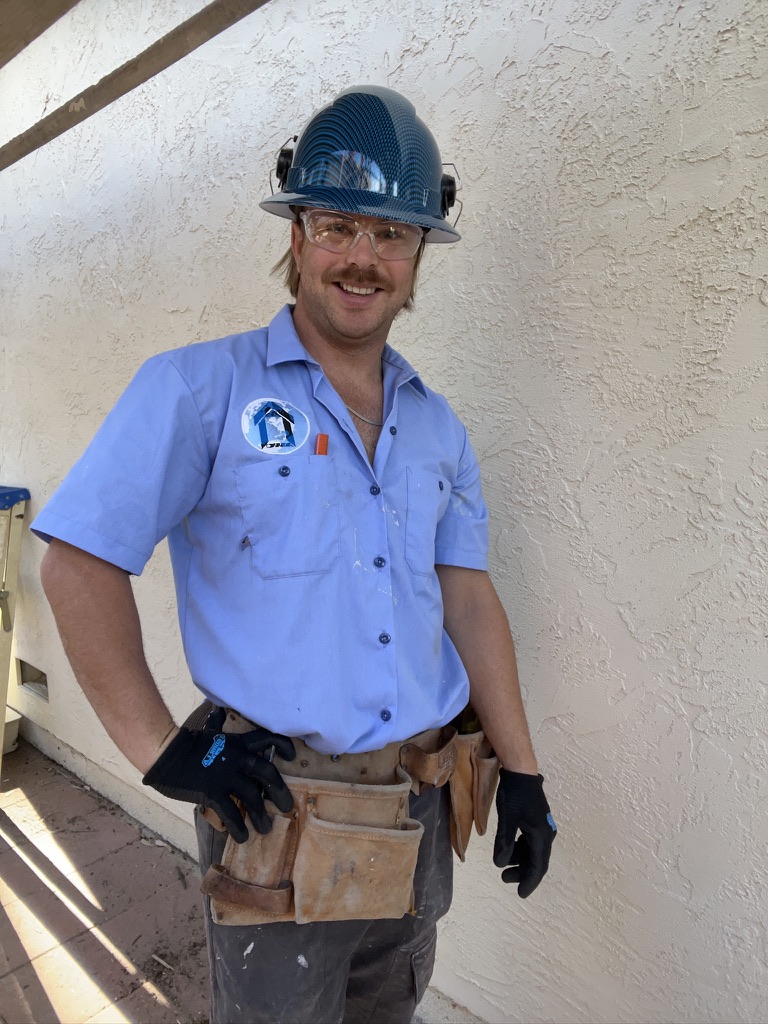
From All World Construction LLC
Owner: Austin Mitchell About Verify CSLB #1063936 Updated
Useful photos help a contractor understand the reported symptom, bring appropriate materials for evaluation, and identify likely access or finish concerns. Photos do not diagnose concealed plumbing and should never require a resident to climb, remove fixed materials, reach near electrical hazards, or enter an unsafe wet area.
Start with safety and the current condition
For active leaking, keep people away from wet electrical devices, swollen ceilings, contaminated overflow, and unstable materials. Use a shutoff only when it is known and safe. Contact the appropriate emergency or plumbing service rather than delaying control of active damage to create a perfect photo set.
From a safe position, record whether water is active or the image shows an old stain. Include the date and a short factual note about what was happening when the symptom appeared. Do not label an unknown source as a confirmed pipe failure.
Use wide, medium, and detail views
A wide view shows the room and fixture location. A medium view shows the cabinet, wall, ceiling, or floor relationship. A detail view shows visible water, staining, corrosion, a loose part, or damage. This sequence gives context that a single close-up usually lacks.
Include a simple size reference only when it can be placed safely without touching the affected area. Photograph labels or model information that are plainly accessible. Do not remove covers, cut walls, pull appliances, or dismantle fixtures for a remote quote.
Show access and finished surfaces
Photograph doors, shelves, stored contents, countertops, cabinets, tile, flooring, trim, and nearby walls that could affect access. For property managers, include the unit or room identifier in the message rather than placing private occupant information in the photo.
If a wall or ceiling is already open, photograph the overall opening and visible conditions from outside it. Do not reach into the cavity. Note whether another trade created the opening and whether plumbing testing or wall closure is still pending.
Add history that pictures cannot show
State which fixtures are affected, when the symptom occurs, whether it is recurring, prior service dates, recent remodel or appliance work, known service interruption, and access limits. For drains, explain the pattern without using an unverified cause. For leaks, distinguish active water from remaining discoloration.
Share prior invoices, reports, or inspection media when available. Identify them as prior records, not proof that today’s condition is unchanged. A contractor may still need a site evaluation before defining cause, access, or a complete price.
Ask for the next decision, not a photo diagnosis
A clear request asks whether the images support scheduling, what additional safe information is needed, and whether an on-site evaluation is required. It should also ask whether the response covers plumbing only or includes access and finish restoration.
AWC is a licensed general contractor, CSLB 1063936, and can evaluate plumbing issues that cross into cabinets, walls, texture, and paint. When the cause, access, or trade boundary is unclear, AWC recommends the $250 Site Evaluation + Written Bid Package. The $250 is credited back when the quoted work is approved within 30 days. Send the safe, factual request through allworldconstructions.com or call 619-327-9513.
Planning checklist
- Active hazards are addressed before documentation.
- Wide, medium, and detail views show context.
- No fixed materials or equipment are opened for photos.
- Timing, fixture use, recurrence, and prior service are described.
- The request separates evaluation from confirmed diagnosis and repair.
Questions owners ask
Can a contractor diagnose a concealed leak from photos?
Photos may guide planning, but they usually cannot confirm a concealed source. Ask what the images establish and what still requires field evaluation.
Should I photograph inside an open wall?
Only from a safe position outside the opening. Do not reach in, disturb piping, or approach electrical hazards or unstable materials.
What is the most useful photo order?
Send a wide room view, a medium view of the affected assembly, and clear detail views, followed by a short factual symptom history.
AWC source library
Related field guidance
AWC article
What San Diego Property Managers Should Do After a Tenant Reports
Organize the report, occupied-space access, documentation and the separate repair and restoration stages.
AWC article
Rental Turnover Repairs: What to Check Before the Unit Sits Empty
Separate cosmetic work from building issues and prepare a repair list with access and finish priorities.